Organizations
The world of Chainsaw Man is defined by the organizations that hunt, study, and weaponize devils. From Japan's official Public Safety Devil Hunters to international intelligence networks and criminal syndicates, these groups shape the series' power dynamics. Each operates under different mandates, employs distinct methods, and pursues competing agendas in a world where devils threaten human civilization at every turn.
Organizational Landscape Overview
The Chainsaw Man universe presents a fractured global response to devil-related threats that reflects real-world geopolitical divisions. Unlike centralized supernatural agencies in other anime, devil hunting in this world is fragmented across national boundaries, with each major power developing its own unique approach to the devil problem. Japan relies on the Public Safety Devil Hunters, a government organization that operates within the legal framework but employs morally flexible methods. The Soviet Union, before its dissolution, invested heavily in devil weaponization programs, creating hybrid soldiers through experimental procedures that pushed the boundaries of human ethics.
Criminal organizations like the Yakuza maintain their own relationships with devils, trading in contracts and weapon fragments outside the reach of government authority. These groups operate in the gray areas where official power cannot penetrate, becoming the primary point of contact between ordinary citizens and the supernatural world. The Yakuza's involvement introduces a capitalist dynamic to devil commerce, treating supernatural power as just another commodity to be bought, sold, and exploited for profit.
Understanding the organizational structure of Chainsaw Man is essential to grasping the series' larger themes about power, corruption, and human nature. Each organization represents a different philosophical approach to the devil problem: containment through regulation, exploitation through criminal enterprise, and weaponization through state power. The conflicts between these approaches create the series' most compelling dramatic tensions and drive the narrative forward across both Part 1 and Part 2.
Key Organizations in Chainsaw Man

Public Safety Devil Hunters
Government AgencyJapan's official devil hunting organization operates through a multi-division structure with Special Division 4 at its operational core. Led by the enigmatic Director Makima, the organization employs contracted devil hunters including Denji, Aki Hayakawa, and Power to eliminate devil threats, investigate supernatural incidents, and manage containment of high-risk entities. The organization balances public protection with internal political maneuvering, as various divisions pursue competing agendas regarding devil rights, international cooperation, and the controversial practice of employing fiends as field agents.

Yakuza & Criminal Underworld
Criminal SyndicateThe Yakuza network operates at the intersection of organized crime and supernatural commerce, acting as intermediaries between humans seeking power and devils willing to form contracts. They facilitate these dangerous arrangements for substantial profit, often exploiting vulnerable individuals who have no other path to acquiring supernatural abilities. Denji's initial entanglement with the Zombie Devil occurred through Yakuza intermediaries, demonstrating how criminal networks prey on the desperate. The organization's influence extends into politics, law enforcement corruption, and international devil trafficking networks that span multiple countries.

Soviet Union's Agents
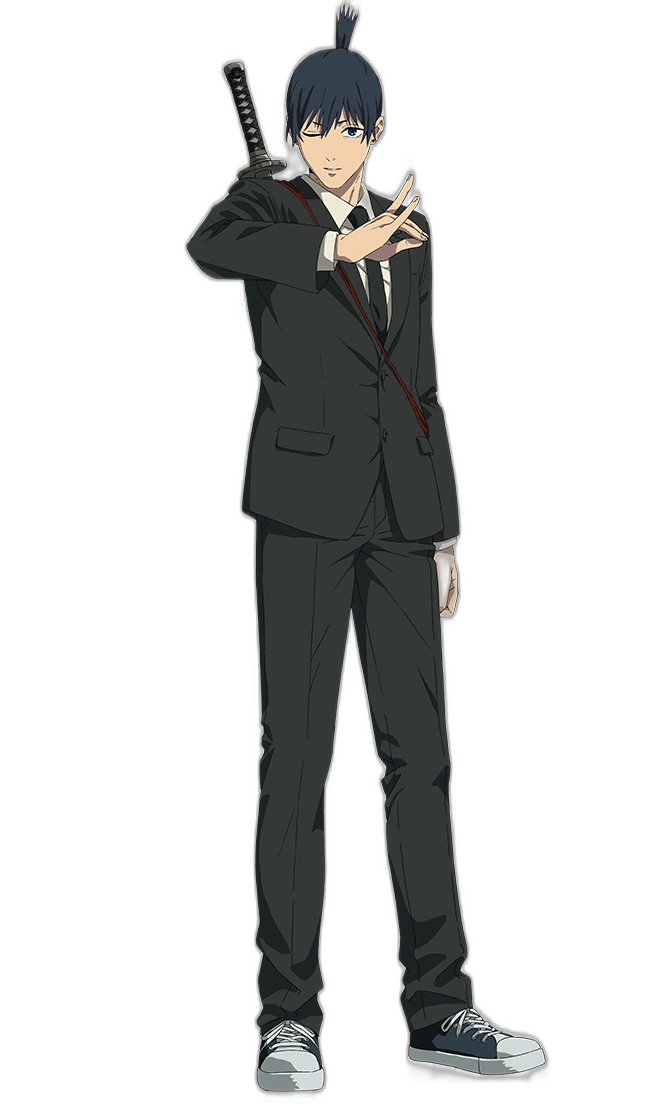
Foreign IntelligenceThe Soviet Union developed an extensive devil weaponization program that pushed the boundaries of human-devil integration technology. Their agents, including the Bomb Hybrid Reze, represent the culmination of decades of research into creating hybrid soldiers who combine human intelligence with devastating devil-level destructive power. Operating with a ruthlessness that contrasts sharply with Japan's more regulated Public Safety approach, Soviet agents compete globally for Gun Devil fragments and advanced contract knowledge, treating the international devil arms race as an extension of Cold War geopolitics.
International Organizations
Global NetworkBeyond national boundaries, international devil hunting organizations coordinate cross-border responses to major devil threats. These groups facilitate information sharing, extradition of devil contract criminals, and joint operations against devils that threaten multiple nations. The International Assassins Bureau represents one such organization, a shadowy network that contracts devil hunters from around the world for high-risk operations against powerful targets.
Global Politics & Devil Arms Race
GeopoliticsThe Gun Devil's 1984 rampage triggered an international arms race for devil fragments and supernatural weapons. Nations compete for control of the most powerful devils, develop classified contract programs, and engage in covert operations to acquire or deny devil resources to rivals. This geopolitical struggle forms the backdrop of the series, influencing everything from international assassins to the political maneuvering within Japan's government.
Organizational Dynamics & Power Analysis
The power struggle between these organizations reveals deeper themes about human nature and the true cost of supernatural authority. Public Safety operates officially for civilian protection, but Director Makima's hidden agenda demonstrates how organizational leadership can corrupt even the most well-intentioned structures from within. The Yakuza's involvement in devil commerce shows how capitalist dynamics adapt to any new resource, treating otherworldly power as just another market commodity to be traded and exploited for maximum profit.
International competition for devil power introduces a geopolitical dimension rarely explored in supernatural anime. Nations treat devil fragments as strategic assets comparable to nuclear weapons, creating a global arms race centered on fear itself. The Soviet program's creation of hybrid soldiers like Reze raises profound ethical questions about human experimentation and the morality of weaponizing supernatural forces for military advantage. These themes become increasingly relevant as Part 2 of Chainsaw Man explores the long-term consequences of these organizational decisions on society at large.
The rivalry between these organizations also creates a complex web of alliances and betrayals that drives the series' narrative tension. Public Safety agents frequently find themselves caught between official duty and personal morality, while criminal elements exploit the chaos for their own gain. This three-way dynamic between government, criminal enterprise, and foreign intelligence creates a rich political landscape that distinguishes Chainsaw Man from simpler good-versus-evil narratives.
Frequently Asked Questions
What is the primary role of the Public Safety Devil Hunters?
The Public Safety Devil Hunters serve as Japan's official government organization responsible for investigating, containing, and eliminating devil threats across the country. They operate through multiple specialized divisions, including combat units like Special Division 4 and intelligence divisions that track devil activity, contract networks, and emerging supernatural phenomena that could threaten public safety.
How does the Yakuza facilitate contracts with devils?
The Yakuza acts as intermediaries between humans seeking supernatural power and devils willing to form binding contracts. They arrange these dangerous deals for profit, frequently exploiting individuals in desperate circumstances who have nowhere else to turn. Denji's contract with the Zombie Devil through Yakuza intermediaries is a prime example of how criminal networks use vulnerable people as pawns in their supernatural schemes.
What was the Soviet Union's devil weaponization program?
The Soviet Union developed advanced devil integration technology designed to create hybrid soldiers capable of wielding devil-level power while retaining human intelligence and military discipline. Reze, the Bomb Hybrid, was their most successful and dangerous creation. The program competed directly with other world powers for control of Gun Devil fragments and represented a major escalation in the international militarization of supernatural forces.
Explore more about the Chainsaw Man world on Wikipedia and the Fandom Wiki. For the full character roster, visit our Characters page.